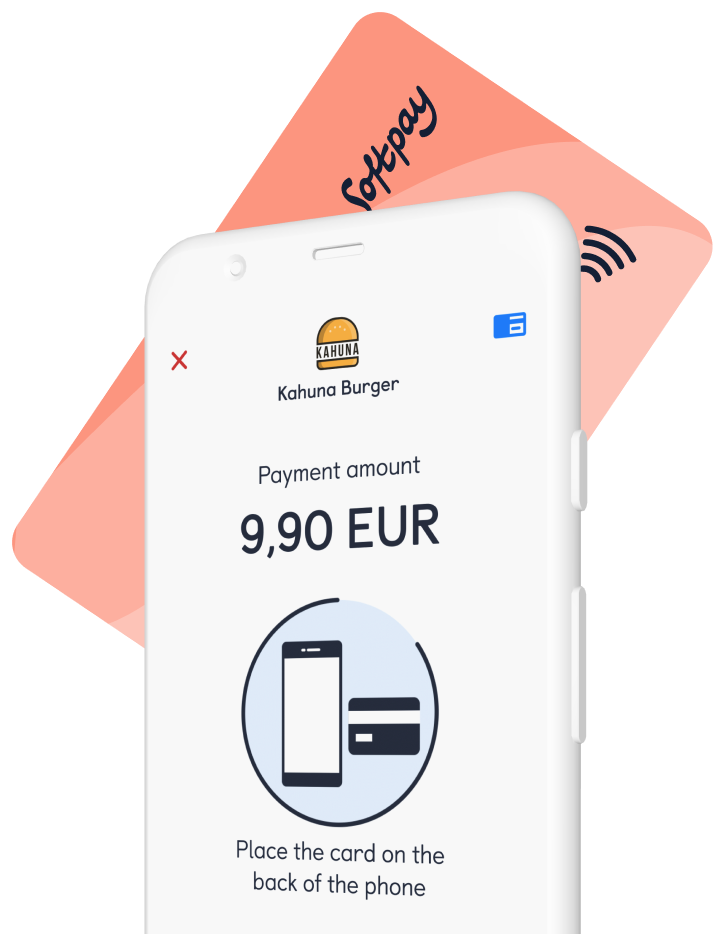
Turning any Android or iOS device into a payment terminal sounds ambitious‚ but with Softpay, it is a matter of days, not months.
Whether you're a retailer looking to accept tap payments on a smartphone, a logistics company wanting to process payments in the field, or an ISV building a full-featured POS platform, Softpay meets you where you are. The key is flexibility: there's no single "right way" to integrate. Instead, Softpay offers a range of integration options so you can choose what fits your business, your tech stack, and your timeline.

Softpay is also acquirer agnostic, with around 15 acquirer connections covering more than 30 countries. It means you're free to work with your existing acquirer or choose one that best suits your business‚ no lock-in, no forced switches.
Understanding Your Integration Options
Softpay currently supports four main ways to connect your systems with our SoftPOS solution. Each one is designed for a different type of business or technical need. It is also possible to use the Softpay app as a standalone app.
1. AppSwitch
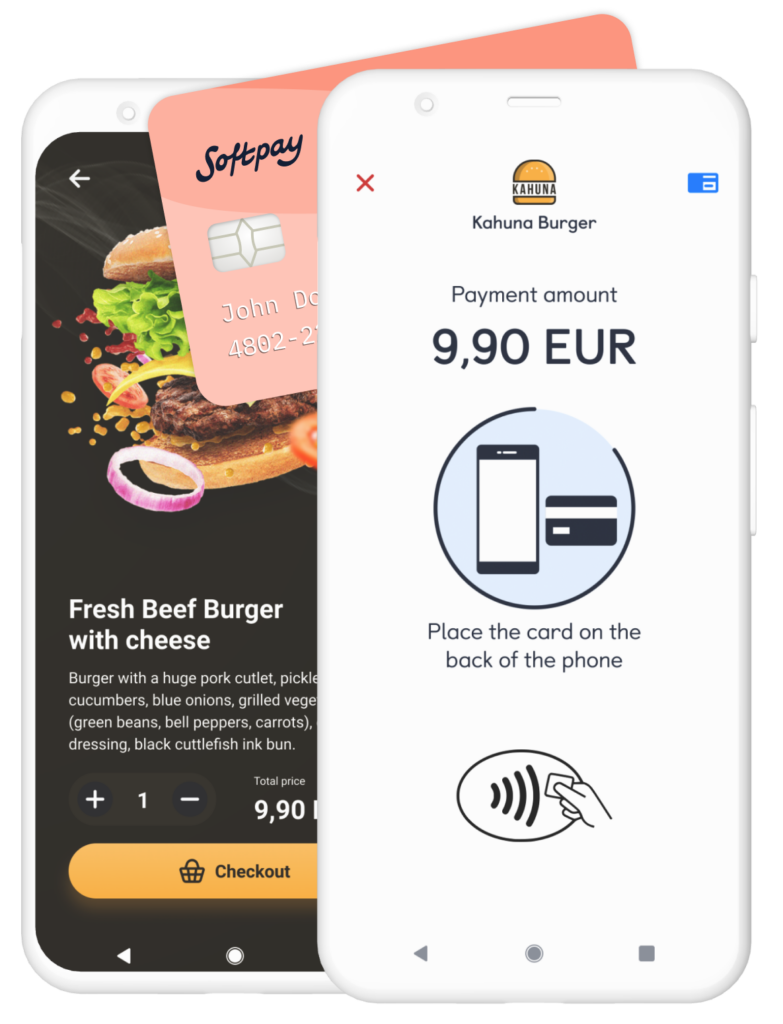
AppSwitch is Softpay's most popular integration path for companies that already have a POS application or are building one. It lets your POS app and the Softpay app coexist on the same device, switching seamlessly between the two as part of a payment flow.
Here's how it works in practice: a customer is ready to pay, your POS app hands off the payment amount and relevant parameters to Softpay via the AppSwitch SDK, the customer taps their card or phone, and control returns to your app — along with the payment result.
AppSwitch also supports useful extras like loyalty token capture and the ability to adjust the amount mid-flow (handy for discounts). Most integrators can make their first test transaction within two working days, and a complete integration is typically done within a week.
Best for: Companies with an existing Android or iOS mPOS app, or those building one.
2. CloudSwitch
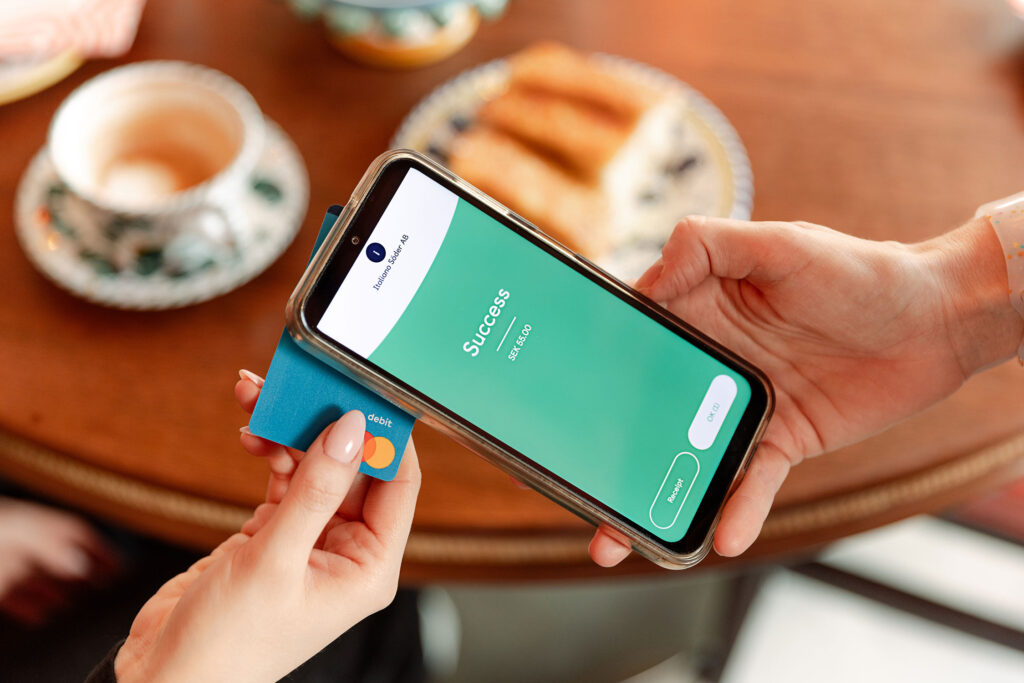
Not every business has a POS app, and that's exactly why CloudSwitch exists. This REST API-based integration lets your backend system — whether it's a Windows POS and ECR, a web application, or any cloud-based platform — initiate contactless payments on a mobile device, without needing to install or maintain a custom mobile app.
For example, a Windows-based ECR can trigger a payment on a nearby Android phone, which the customer then taps their card on. The payment result is returned via the Cloud API. CloudSwitch also supports browser-based POS applications and can even deliver a user experience similar to AppSwitch when combined with client-side JavaScript.
It's a compelling option for teams who think in terms of APIs rather than mobile apps, and it opens the door to use cases that simply weren't possible before — like off-device payment initiation from a desktop system.
Best for: Companies preferring a backend-centric approach, web-based POS systems, or Windows/desktop environments.
3. Deep Linking
If your needs are straightforward — you just need to kick off a payment and don't require a callback — Deep Linking is the fastest route to market. A web app or native Android app can trigger a payment in Softpay via a simple link, with no SDK setup required.
The trade-off is worth knowing upfront: Deep Linking is one-way. Once the payment is complete, the Softpay app won't automatically notify your POS of the outcome, so users may need to navigate back manually. If you need payment status callbacks or richer functionality, AppSwitch or CloudSwitch will serve you better.
Best for: Simple, low-complexity use cases where speed of deployment matters most.

4. SoftPOS SDK
For partners who want complete control over the payment experience, the SoftPOS SDK (Software Development Kit) lets you embed Softpay's payment capabilities directly into your own application. This includes contactless kernels for reading all compliant payment cards and wallets, a secure PIN pad for cardholder entry, and an attestation component to keep you compliant.
The SDK is ideal when branding matters — when you want a single, seamless app with your own look and feel, rather than switching between two apps. It requires a commercial agreement with Softpay, but it gives you the most ownership over the end-to-end experience.
Best for: ISVs and partners building own payment solutions.
Softpay is available as a fully PCI compliant white-label solution. That means your brand, your app, your experience — with Softpay's certified payment infrastructure running quietly under the hood. It's how some of Europe's largest partners have brought their own SoftPOS products to market, without building the payment layer from scratch.
Getting Integrated: Easier Than You Think
Choosing the right integration is just step one. The real question for most teams is: how quickly can we go from zero to live transactions?
Softpay has invested heavily in making that journey as smooth as possible through three pillars of support.
📘 Comprehensive Developer Documentation
Everything you need to start building is on Softpay's developer site. You'll find in-depth technical guides, REST API references, code examples, and sandbox access so you can test without touching real money. The documentation is structured to match the integration path you've chosen — so whether you're implementing AppSwitch, CloudSwitch, or the SDK, you're not wading through irrelevant content.
The three-step process is straightforward: sign up on the developer site, complete your integration and make a successful payment in the sandbox, then purchase Softpay licenses through a sales partner to go live.
🤖 AI-Powered Support
Softpay's AI chatbot is available to help you get unstuck quickly, without waiting in a support queue. Whether you need clarification on an API parameter, help understanding a specific flow, or guidance on which integration method best suits your use case, the chatbot draws on Softpay's documentation to provide fast, accurate answers.
This is particularly valuable during development, when the pace of work is high and small blockers can cost time.
📚 An Updated Help Center
Beyond the developer docs and the chatbot, Softpay's Help Center provides a growing knowledge base of articles, FAQs, and guides covering everything from getting started to advanced configuration. The Help Center is regularly updated to reflect new features and common integration questions, meaning the answers to your questions are often already there waiting for you.
A Note on Security
With payments, security is non-negotiable. Softpay holds PCI MPoC, PCI DSS, PCI PIN, TTP, and TOP certifications, and has completed Level 3 certifications with acquirers. Consumer card and PIN data are never stored on the device, and the back end is architected to PCI DSS standards. Softpay also runs continuous attestation checks to ensure the integrity of every device running the app.
This means that when you integrate with Softpay, you're not just getting a payment solution — you're inheriting a compliance-grade infrastructure that would take years to build from scratch.

Which Path Is Right for You?
Here's a quick summary to help you decide:
| Integration | Best For | Technical Requirement |
|---|---|---|
| AppSwitch | Companies with POS app | AppSwitch SDK integration |
| CloudSwitch | Backend-first or desktop-based POS | REST API |
| Deep Linking | Simple, fast use cases | Minimal — just a URL |
| SoftPOS SDK | Own App development | SDK agreement + mobile dev, MPoC solution certification |
Ready to Get Started?
The fastest way to explore Softpay's integration options is to sign up on the developer site, where you'll find sandbox access, code samples, and the full documentation for every integration path. If you're unsure which option fits your needs, Softpay's support team is available at support@softpay.io, or you can reach out to sales at sales@softpay.io to discuss licensing and partnerships.
Integration doesn't have to be a long, complex project. With the right tools, the right docs, and the right support, Softpay is designed to get you to your first live transaction as quickly as possible — so you can focus on what matters: growing your business.
Softpay turns any Android or iOS device into a payment terminal. Learn more at softpay.io or contact us today.